
By Naldo Neto, IRATA Level 3 and licensed painter · Updated October 2026 · 2 min read
Key takeaways
- Start with a close-up inspection and a photo defect report.
- Compare quotes on the same scope, preparation and coating system.
- Check the licence, insurance, SWMS and anchor certification.
- Stage larger works by area to follow the capital works plan.
Rope access can save a strata building the cost and disruption of scaffold, but the committee still has to compare quotes, approve the scope and keep residents informed. This guide covers what to ask for at each step.
1. Start with an inspection, not a guess
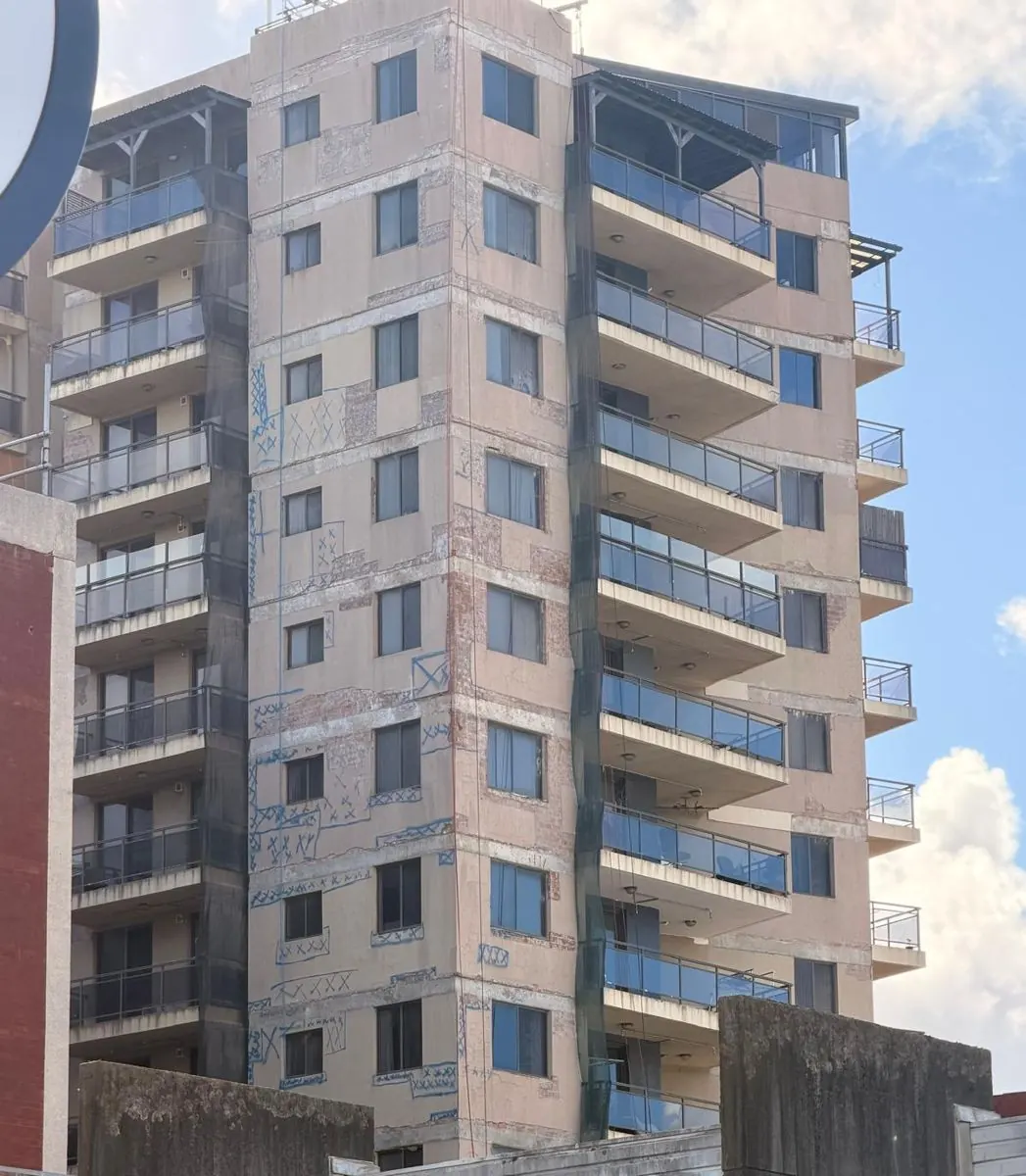
For repairs, ask for a close-up inspection first. A façade inspection gives you a report with photos and locations for each defect, ranked by priority, and a fixed-price scope to repair them. It also feeds the capital works fund plan.
2. Compare quotes on the same scope
Quotes differ most in what they include. Check that every quote covers the same surfaces, preparation and repairs, the same coating system, how access is provided, and what happens if more defects are found. A cheaper quote that leaves out preparation or sealant usually costs more later.
3. Check the paperwork
- Licence: search the contractor's licence on the NSW licence check
- Certificates of currency for public liability, professional indemnity and workers compensation
- A site-specific SWMS and rescue plan, with an IRATA Level 3 supervisor named
- Current certification of the roof anchors the crew will use
- The warranty in writing
4. Stage the work if the budget needs it
Larger works do not have to happen in one year. Ask for the price by area, such as each elevation, each stairwell and the car park, so the work can follow your capital works plan.
5. Plan for residents
Residents stay home during rope access works. They are asked to close windows and move light items off balconies while the crew works beside their unit. Your contractor should supply resident notices, follow the by-laws and agree working hours with the strata manager.
6. Ask what you get at handover
At the end of the job the committee should receive a photo report of the finished work and the written warranty, and for anchors, a dated certificate and roof plan. File them with the capital works plan so the next committee knows what was done.
See how we work with committees on our strata managers page, use our façade maintenance checklist, or ask for a free inspection.
Need strata painting on your building?
Send the address and a few photos. We reply the same day, inspect for free and give you a fixed-price quote, with our insurance certificates and SWMS attached.
Get a free quote Call 0478 152 630 About our strata painting
Sources and further reading
- IRATA International: rope access training and the International Code of Practice
- SafeWork NSW: managing the risk of falls at workplaces
- Standards Australia: AS/NZS 4488, AS/NZS 5532 and AS/NZS 1891.4
- NSW licence check: verify any contractor's licence
Questions
Can the committee stage rope access works over several years?
Yes. We price by area, such as each stairwell, the car park and each elevation, so the work can follow your capital works plan.
Do residents need to move out during rope access works?
No. Residents stay home. We ask that balcony items near the work are moved and windows are closed while we are working beside a unit.
What documents should a rope access contractor provide?
A licence you can check, certificates of currency, a site-specific SWMS and rescue plan, current anchor certification, and a written warranty.

About the authorNaldo Neto leads Tactical Height Solutions. He is an IRATA Level 3 rope access technician and licensed painter with a background in rendering and remedial work on Sydney buildings. More about Naldo.